Overview
Artistic identity and historical position.
Color as structure
Gieseking’s famous “impressionist” sound was not simply atmospheric. Pedal, attack and dynamic level were used to separate harmonic layers, so color itself became a means of clarifying form.
Mental practice
His collaboration with Karl Leimer popularized a disciplined method of studying the score away from the keyboard. Gieseking’s exceptional memory made the results seem miraculous, but the principle was systematic observation rather than photographic myth.
A broad musician
The association with Debussy and Ravel can obscure his Bach, Mozart, Beethoven and twentieth-century repertory. He championed new music and was capable of sharply articulated, classical playing very different from the misty stereotype attached to his name.
Biography
Formation, career and historical context.
Childhood and Hanover
Born in Lyon in 1895, Gieseking grew up in a cultivated German family and spent part of his childhood in southern France. His formal piano education began comparatively late. At Hanover he studied with Karl Leimer, whose emphasis on mental analysis and relaxed technique became central to his development.
Rise after the First World War
Following wartime service as a regimental musician, he quickly established himself in Germany and then internationally. By the mid-1920s his repertory and memory were already famous, and a 1926 American tour introduced him to a major new audience.
French repertory and recording
His Debussy and Ravel interpretations became especially influential because the gramophone captured nuances of soft attack, pedaling and harmonic atmosphere that earlier recording technology often obscured. He later recorded large portions, and in important cases virtually the complete published solo repertory, of both composers.
War, controversy and return
Gieseking remained in Germany and continued performing during the Nazi era. After the war his political position became the subject of controversy and protests, particularly around attempted American appearances. He eventually resumed international touring. The episode remains an essential part of his biography and should neither be ignored nor simplified into claims unsupported by evidence.
Final years
In the 1950s he recorded at an extraordinary rate, including Mozart, Debussy and Ravel. He died unexpectedly in London in 1956 while still active, leaving projects unfinished and one of the most extensive recorded legacies of any pianist of his generation.
Career
Principal stages of an international career.
Repertoire
Composers and areas most closely associated with the artist.
Debussy
Gieseking’s Debussy remains historically central. He differentiates registers through touch and pedal, preserves rhythmic direction beneath soft sonorities and avoids turning the music into generalized haze.
Ravel
Ravel brings a different precision: cleaner contours, more objective rhythmic profile and brilliance when required. The complete or near-complete recorded legacy became a basic reference for generations of listeners.
Mozart
His Mozart can be quick, light and transparent, relying on fine dynamic inflection rather than heavy articulation. The large recorded survey is one of the other major pillars of his discography.
Bach, Beethoven and modernism
He played Bach and Beethoven extensively and also supported contemporary composers. This breadth shows that the French repertory was a specialty within a much larger technical and intellectual command.
Interpretive style
Sound, phrasing, rhythm and pianistic conception.
Pedaling
He used pedal with microscopic sensitivity, often changing depth and timing rather than treating it as an on/off mechanism. This allowed resonance without complete loss of harmonic separation.
Dynamic control
His pianissimo was famous, but its importance lies in gradation. Very soft levels could still carry several planes of intensity, creating distance and perspective.
Attack and release
The initial contact with the key and the exact release of sound were central. In French music, this produces color; in Mozart it produces clarity; in fast repertory it supports extraordinary ease.
Technique & teaching
Practice method, pianistic resources and influence.
Leimer-Gieseking method
The published method emphasizes analysis before repetition: reading the score, understanding intervals, harmony, fingering and structure mentally, then testing the prepared conception at the keyboard.
Memory
Gieseking’s memory was exceptional, but he treated memorization as a consequence of attentive study rather than a separate feat. The method remains influential because it links memory to comprehension.
Relaxed coordination
Physical economy complements mental preparation. Unnecessary tension is avoided so that fingers, hand and arm can respond to a precise sound image with minimal motion.
Recordings
Essential documents for hearing development and legacy.
Debussy complete projects
Among the most influential recordings in his catalogue and a major source for studying pre- and postwar approaches to French piano color.
Ravel
The Ravel recordings combine atmosphere with formidable technical exactitude and remain central historical documents.
Mozart sonatas
A broad survey that reveals a cleaner, more classical side of his artistry.
Bach and Beethoven
Historical issues show his ability to shift from coloristic repertory to contrapuntal and structural music.
Prewar versus postwar
Comparing different periods reveals changes in tempo, recording sound and maturity while preserving the fundamentals of his touch.
Live documents
Concert recordings add urgency and sometimes greater volatility to an artist often known primarily through controlled studio sessions.
Documents & sources
Institutions and source material for deeper research.
City of Wiesbaden — Stadtlexikon
Institutional biography with early life, Leimer training, repertory and career outline.
https://www.wiesbaden.de/en/microsite/stadtlexikon/import/a-z/gieseking-walter
Deutsche Biographie
Research biographical entry for Gieseking’s life and professional history.
Wikimedia Commons — 1929 portrait
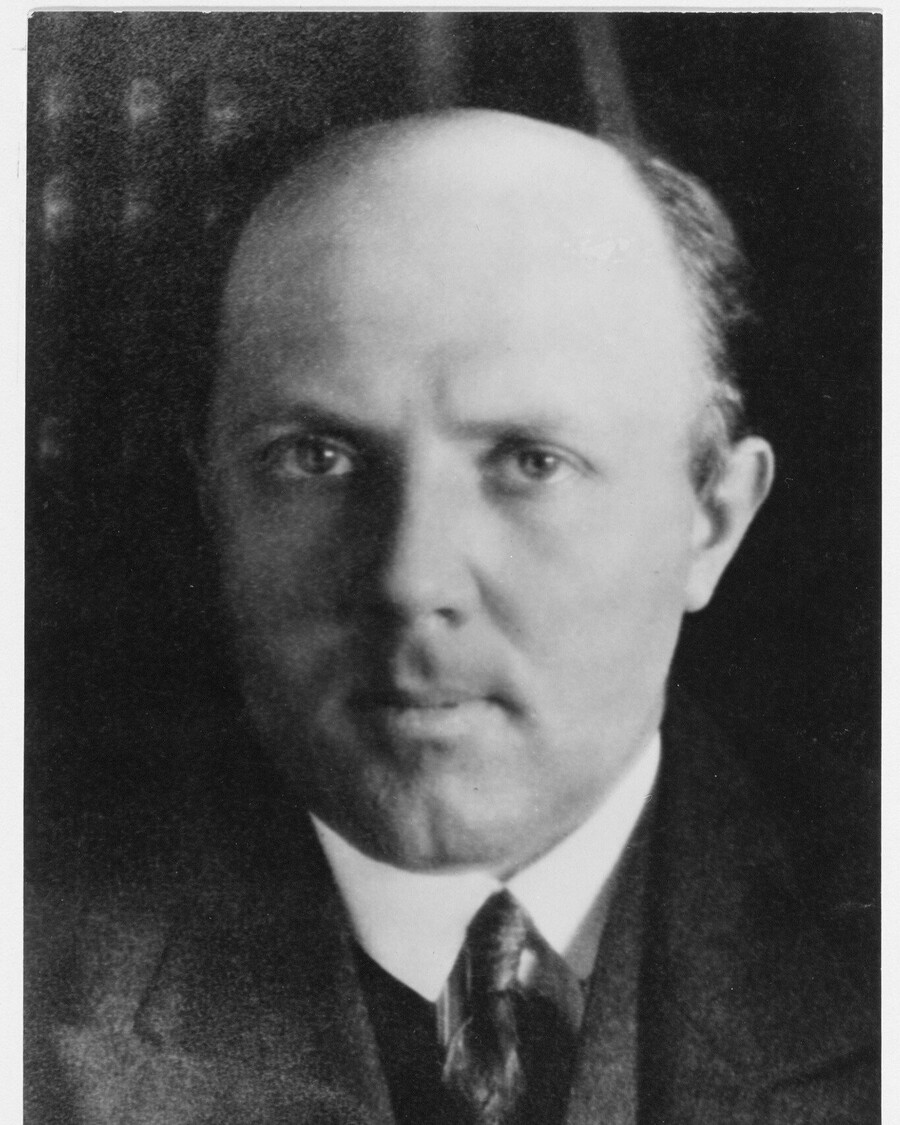
Documentary source for the locally stored historical photograph. The website does not rely on external image loading.
https://commons.wikimedia.org/wiki/Category:Walter_Gieseking
Books & research
Bibliography and recommended directions for study.
Walter Gieseking — So wurde ich Pianist
His autobiographical account is a key primary source but should be read critically, especially for politically sensitive periods.
Leimer & Gieseking — Piano Technique
A fundamental text for understanding the mental-practice and memory ideas associated with his name.
Discographic study
The scale of his recorded legacy makes comparison across sessions essential: different transfers and recording conditions can strongly affect perceptions of his tone and pedaling.
Chronology
Major biographical and professional milestones.
Born in Lyon on 5 November to German parents.
Grows up partly on the French Riviera with substantial private education.
Moves with his family to Hanover and begins systematic piano study with Karl Leimer.
Serves during the First World War, including as a regimental musician.
Rapid professional rise in Germany and Europe.
Makes his first major American tour.
Becomes internationally associated with Debussy, Ravel and modern repertory.
Leimer-Gieseking technical ideas appear in published form.
Remains active in Germany during the Nazi period.
Postwar appearances generate political controversy; international career gradually resumes.
Major recording projects of Debussy, Ravel and Mozart.
Dies in London on 26 October while still professionally active.